
T1Ds in the Wild
Hiking, camping, and climbing trips for adults with type 1, led by guides who live with it themselves.
Upcoming Trips
Past trips
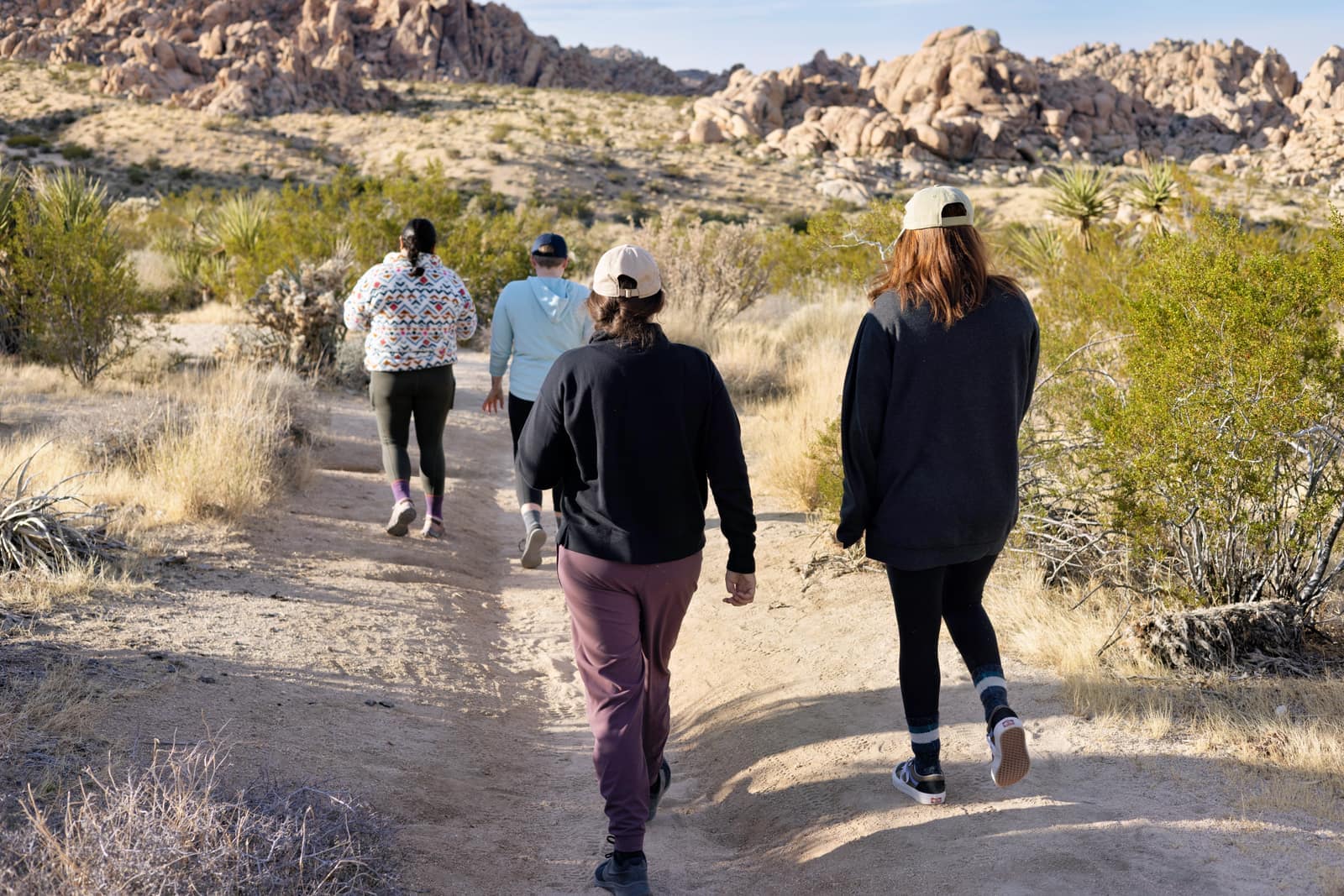
Altadena Hiking Meetup
Ojai Camping
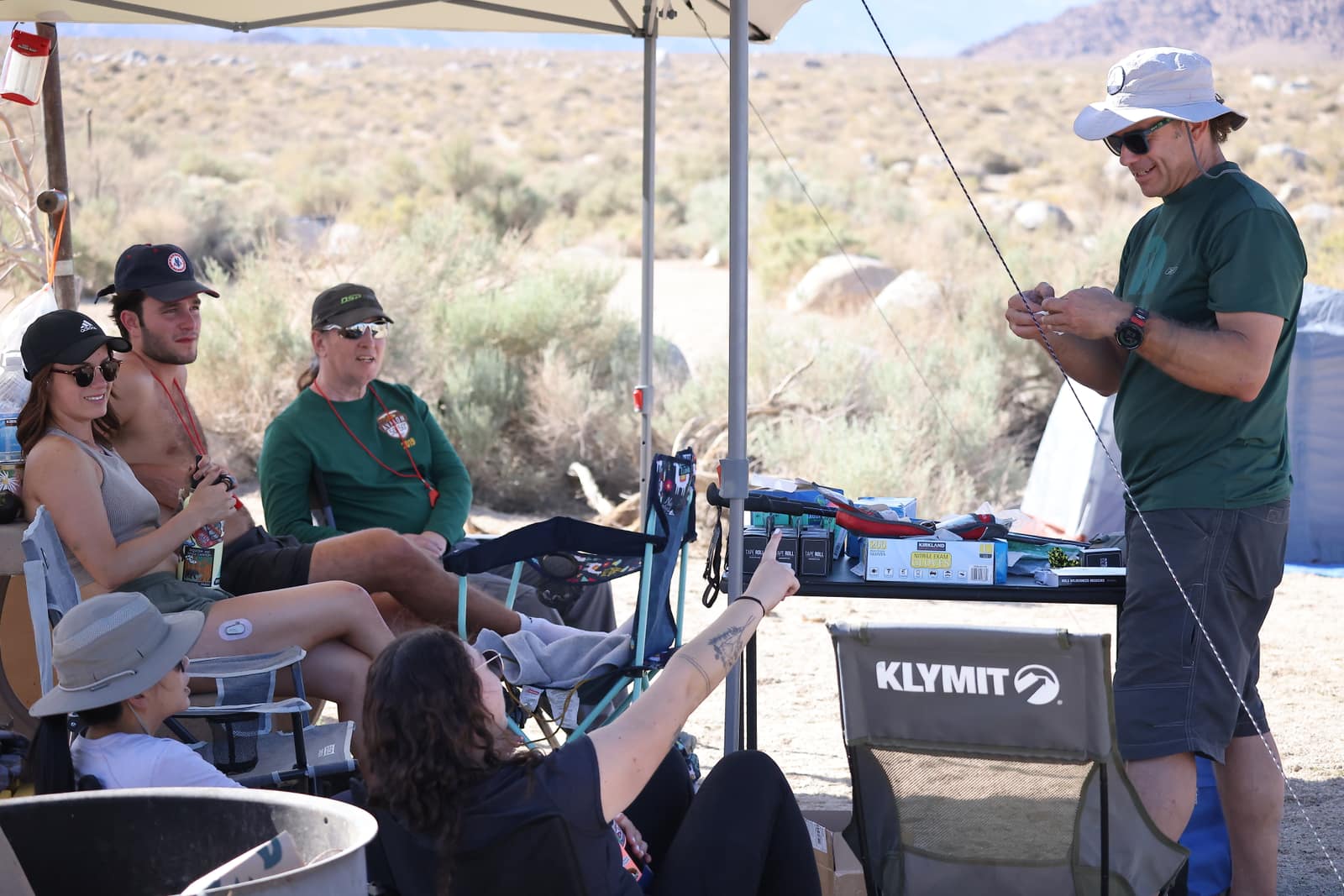
Pinnacles Camping
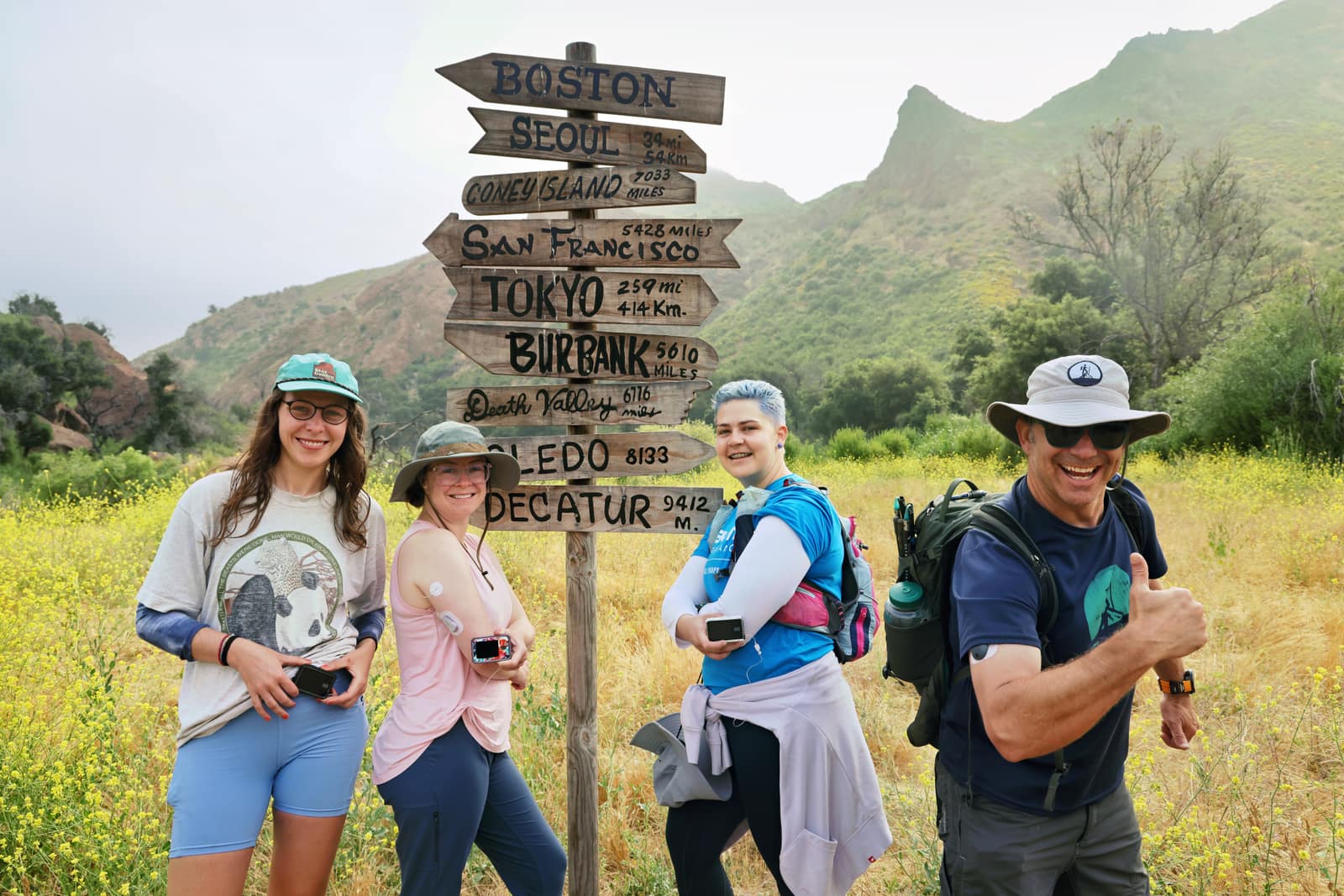
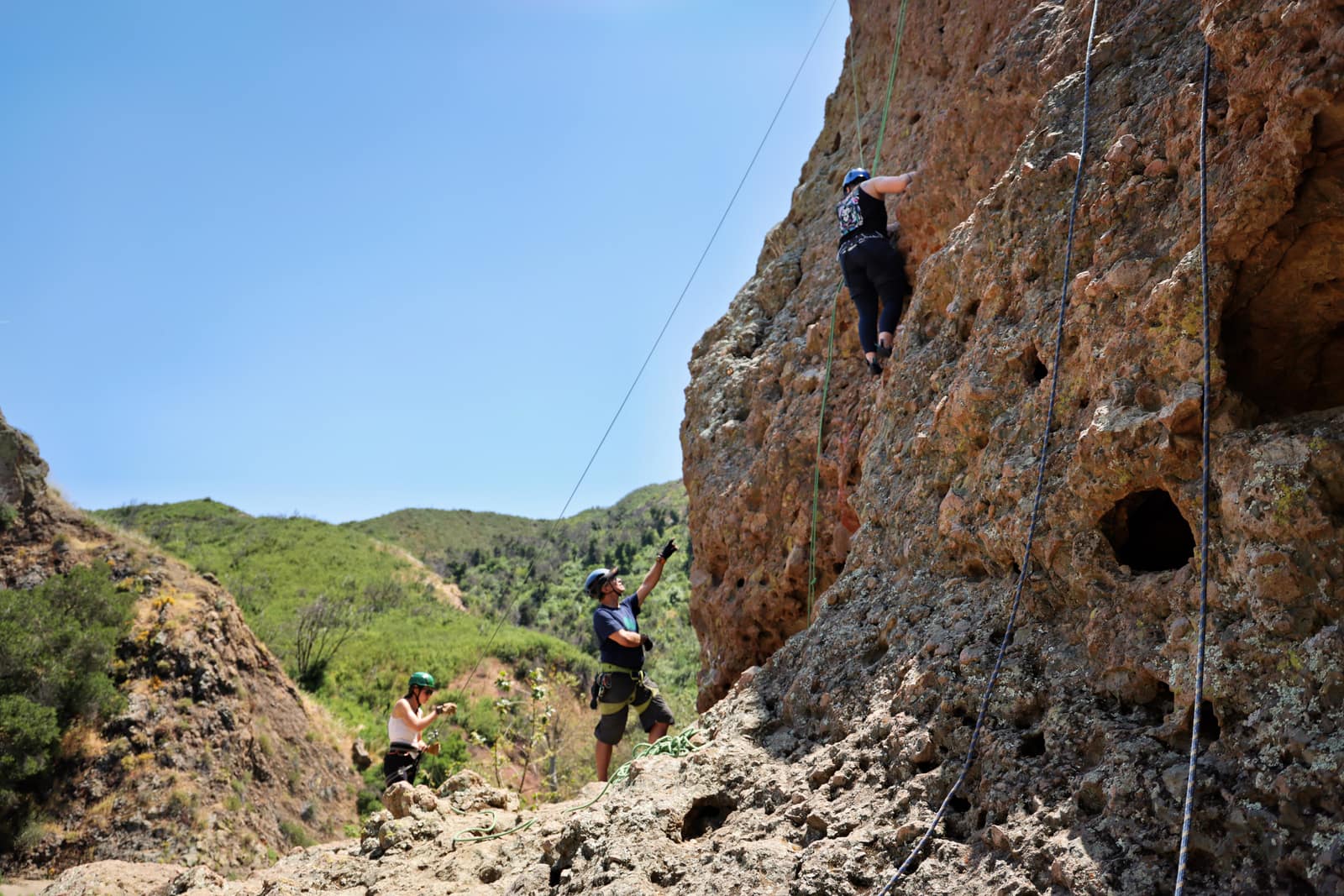
Malibu Camping
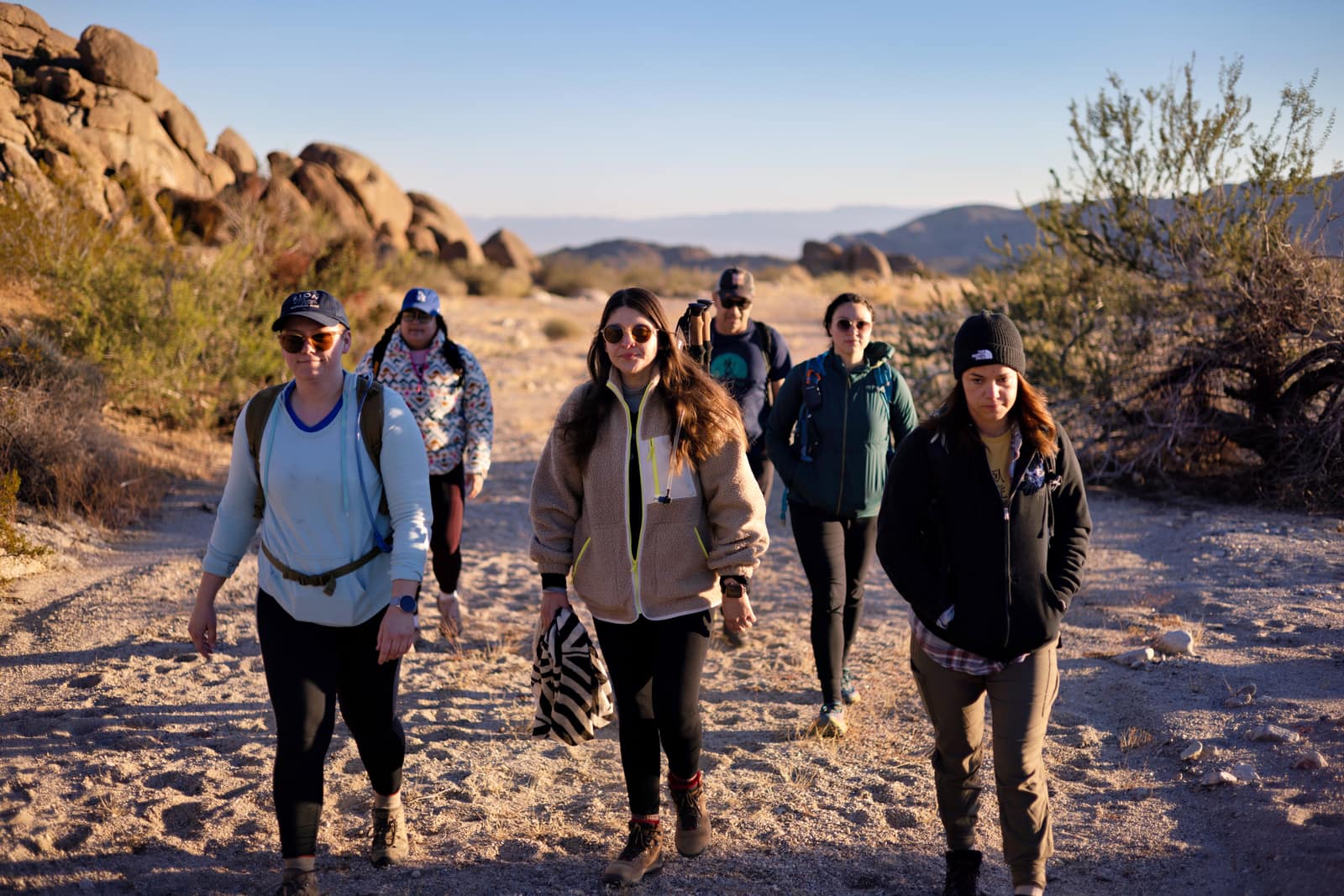
Joshua Tree Camping
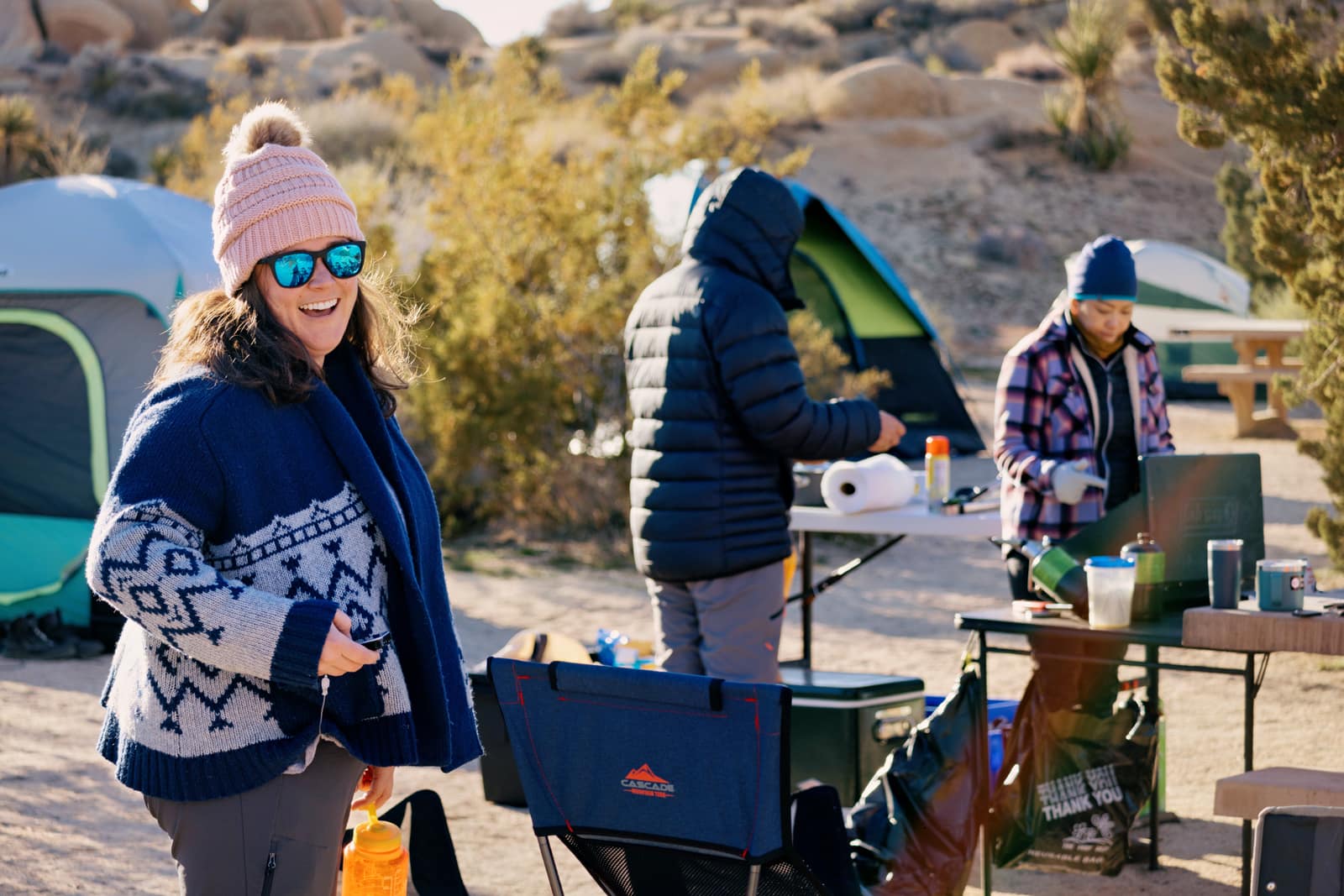
Big Bear Camping
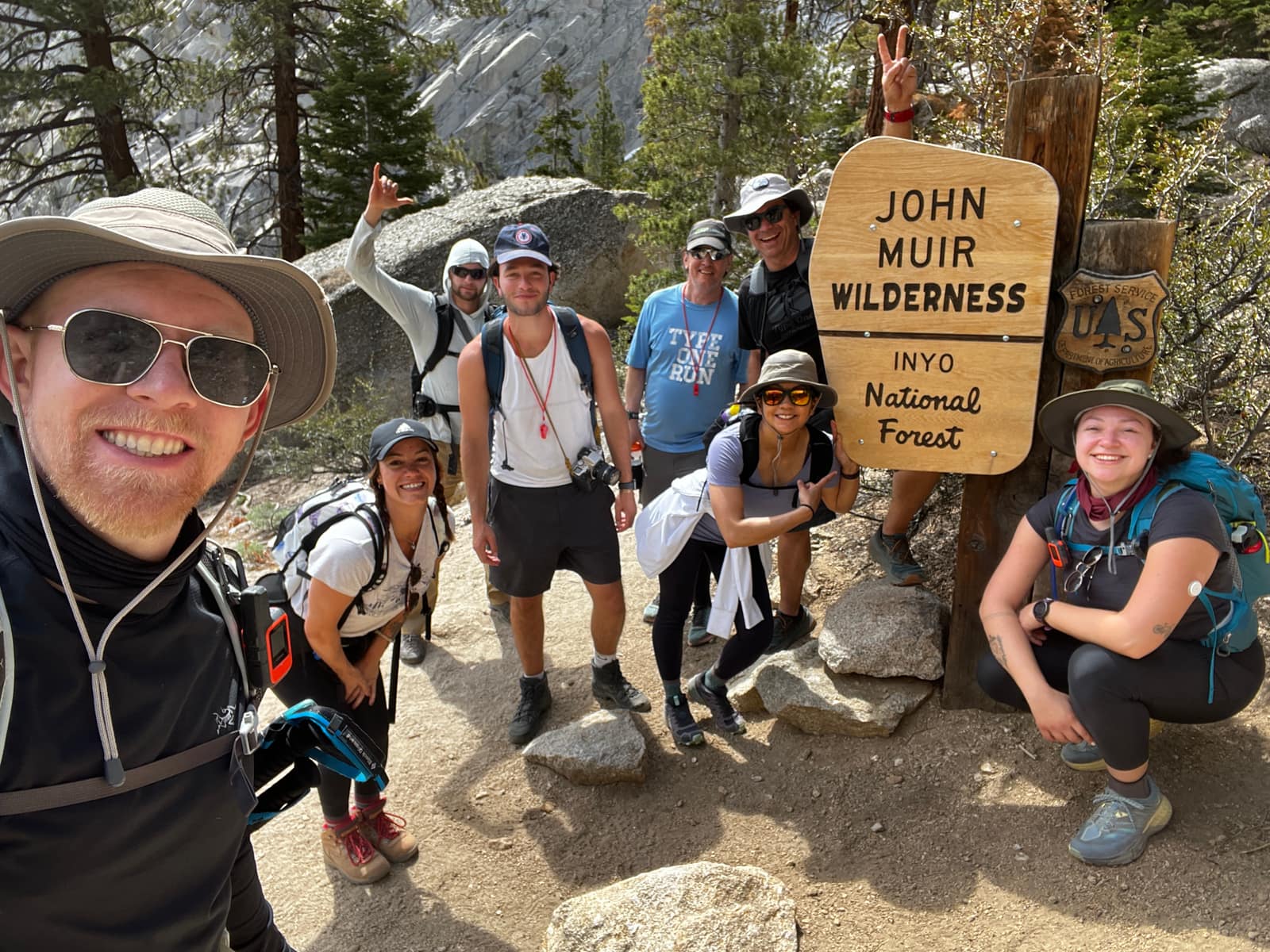
Lone Pine Camping
Everything the outdoors asks of you is learnable.
Camping with type 1 means handling insulin, food, and unpredictable exertion further from a pharmacy than usual. There is real knowledge involved — the Wilderness Medical Society publishes practice guidelines for exactly this. Insulin degrades in heat and is ruined by freezing. Out of cell range, the people who follow your CGM can’t see your numbers, so the plan has to live with you and the people you’re with. Exertion keeps pulling blood sugar down for hours after you stop.
None of that is a reason to stay home. It’s a set of skills, and skills can be taught. Kids learn them at diabetes camp, by doing, alongside other people with the same disease. Adults have far fewer options — the ones that exist tend to be expensive, and a camp is a different thing from a weekend outside anyway.
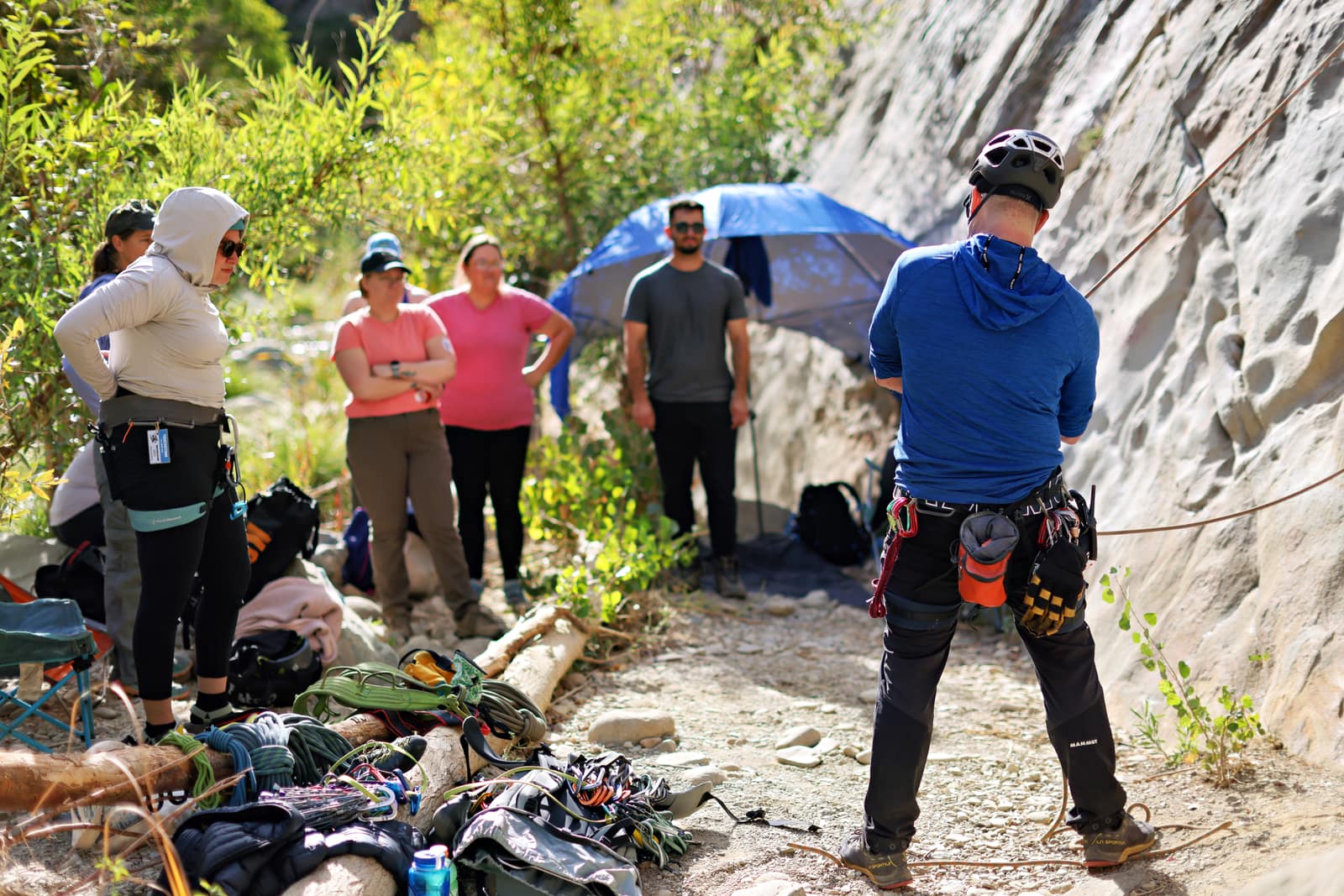
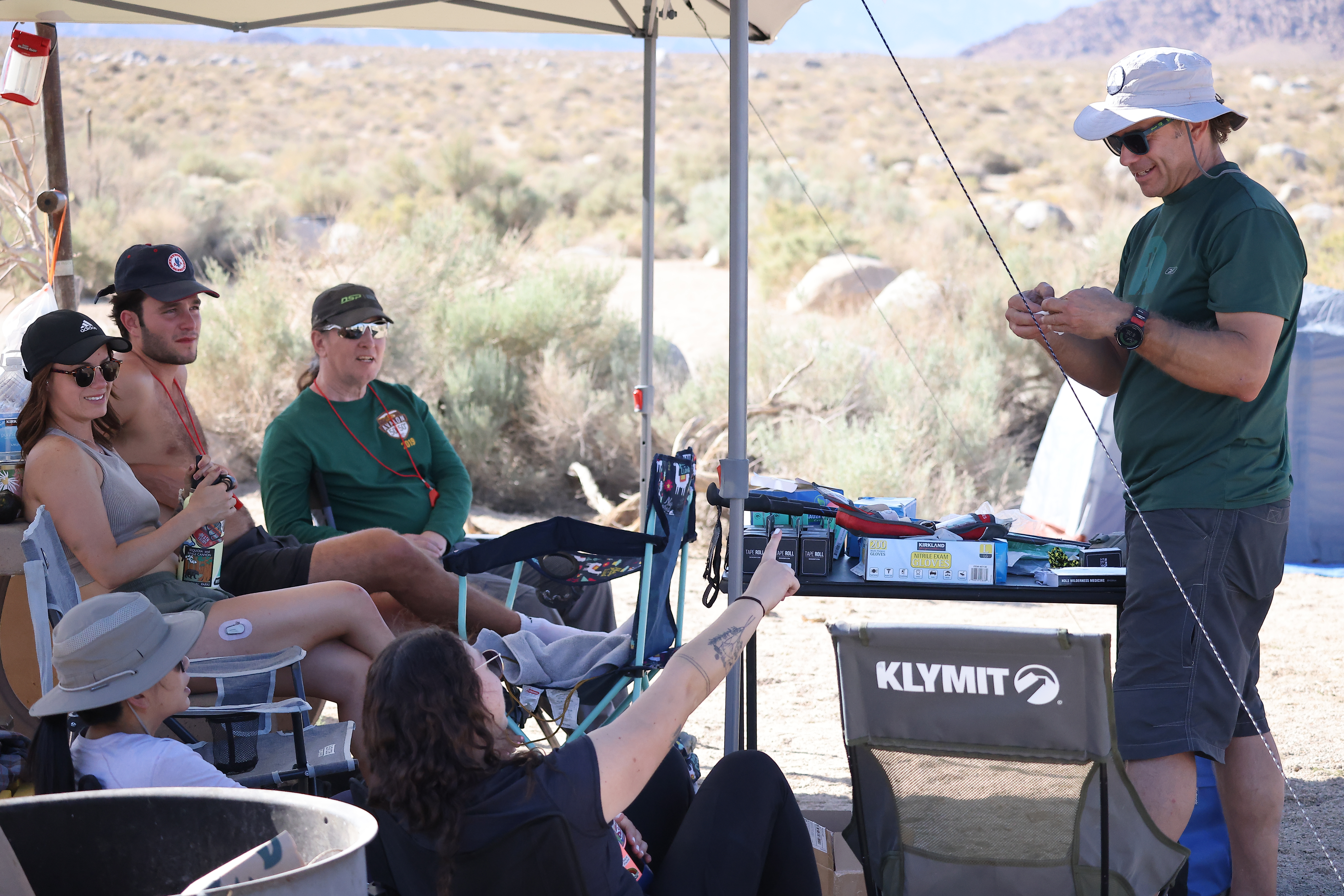
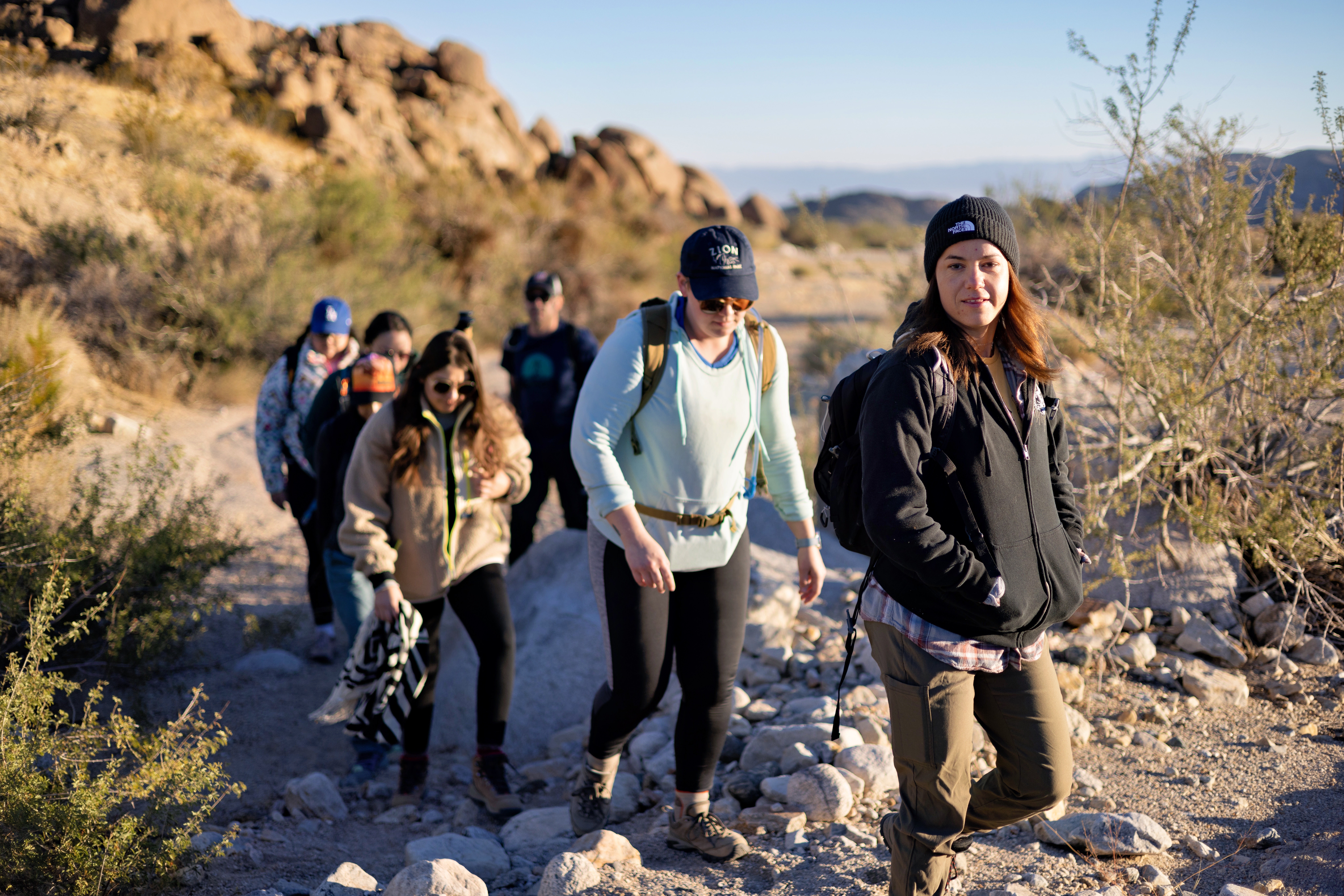
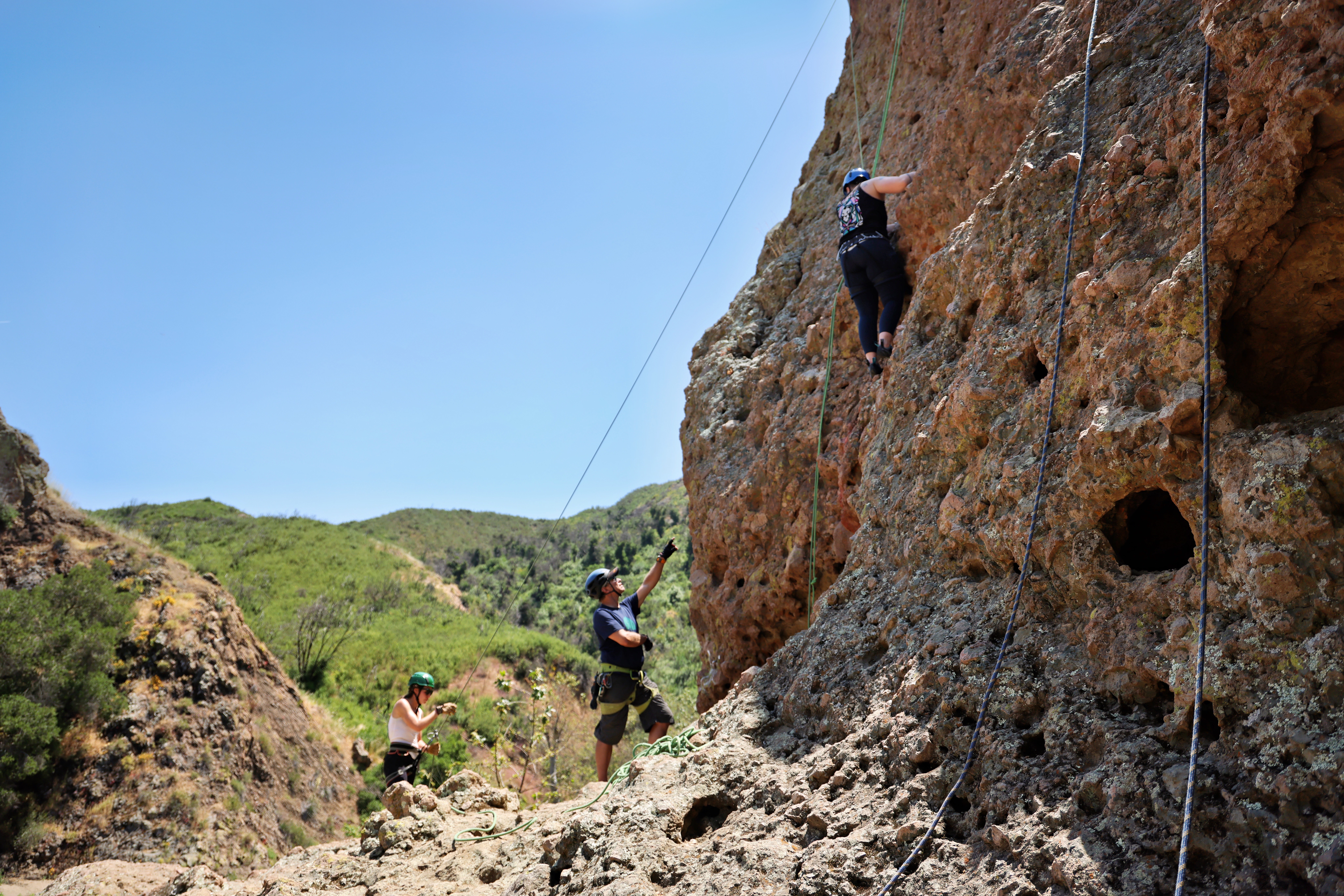
So we built the teaching into the trip. You learn what to do, then you try it with us, with guides who live with type 1 and have already solved the problem you’re about to hit.
And it works. Researchers who studied adults with T1D on a five-day wilderness trip found three things came out of it: people found a diabetes community, discovered they were more capable than they thought, and improved their diabetes management — on the trail and after they got home. That matches exactly what we see.
We handle the logistics.
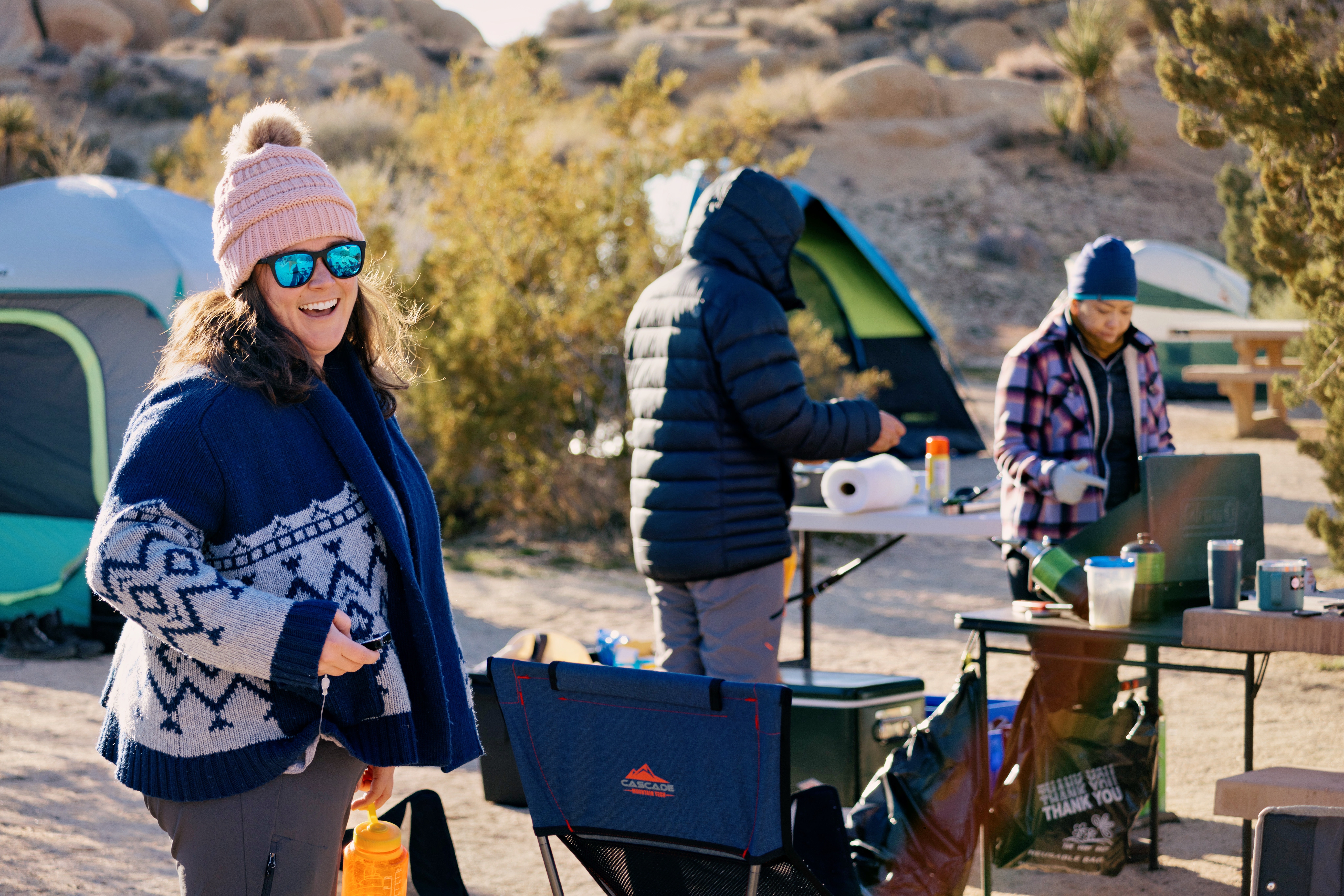
We handle campsites, meals, cookware, first aid, and extra low supplies, and we lend tents and sleeping bags — because between pumps, sensors, and insulin, the last thing anyone needs is a several-hundred-dollar gear purchase standing between them and a weekend outside.
- Free or low cost by design — priced to cover what a trip costs to run, with assistance available so cost never decides who comes.
- Gear provided — tents and sleeping bags are lent; you don't need to buy in to come.
- Everything handled — campsites, meals, cookware, first aid, and spare low supplies.
- Every fitness level — trips are built around learning, not athletic achievement.
- Guides who live with it — everyone leading has type 1 themselves.
Why these trips are priced the way they are.
These trips cost considerably more to run than we charge for them. That’s deliberate. Type 1 diabetes is expensive before anyone thinks about a weekend away — and this is education, not a vacation. We didn’t want it to reach only the people who could already afford it, so we price to remove the barrier and help anyone for whom the fee is still too much.
The gap is covered by donors and partners. If your organization wants to put people outside, that is the most direct way to do it.