
About Beta Cell Foundation
Beta Cell Foundation is a diabetes education organization run entirely by people with type 1 — board, staff, and program leaders.
The gap in diabetes care is an education problem.
People with type 1 diabetes are handed a diagnosis, a device, and a few hours of instruction, and expected to build a lifetime of skill out of it. Devices have improved enormously. The teaching around them has had far less investment.
It’s not a personal failing, and it isn’t anyone’s fault. Structured diabetes education reaches only about 5–7% of US adults newly diagnosed with diabetes,1,2 and what does exist has to fit the time a visit allows — which leaves no room for practice, or for applying any of it to your own body.
The knowledge that actually changes your day-to-day is out there. It’s just scattered across thousands of people who each figured out a piece of it the hard way.
We think that’s the actual bottleneck — and that it’s solvable. Learning science has understood for decades how people build real skill: concepts that scaffold in sequence, active practice rather than passive reading, and immediate application to your own life.3,4 Designing education that way takes time and specialist work that most organizations haven’t been funded for. It’s what we exist to do.
Both figures come from US insurance claims and count adults newly diagnosed with any type of diabetes; neither study separates type 1 from type 2.
Concepts in sequence, active practice, then your own life.
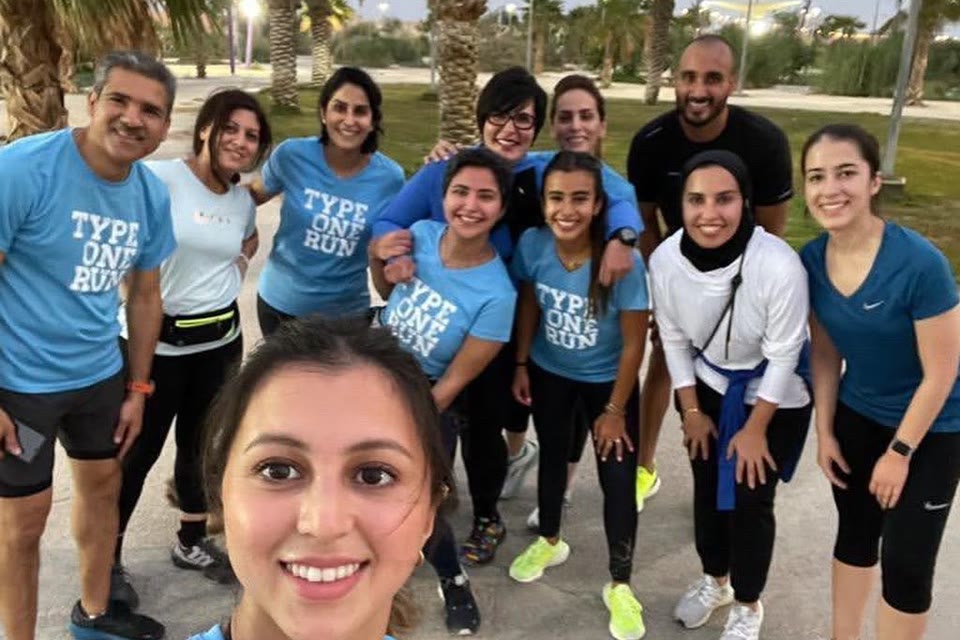
Interactive Blood Sugar Simulators let people see how insulin, food, and exercise actually move blood sugar. Scaffolded programs teach specific skills step by step, in print and online. Type One Run coordinates local running groups through chapter leaders around the world. T1Ds in the Wild runs outdoor trips where people learn to manage diabetes in real conditions alongside guides who live with it themselves.
The reason it works is who builds it.
Every program is designed and delivered by people with type 1 diabetes, including every member of our board. The knowledge in our programs is the knowledge that circulates in type 1 communities — running groups, camps, trail groups — organized, sequenced, and made available to people who don’t happen to have access to those rooms.
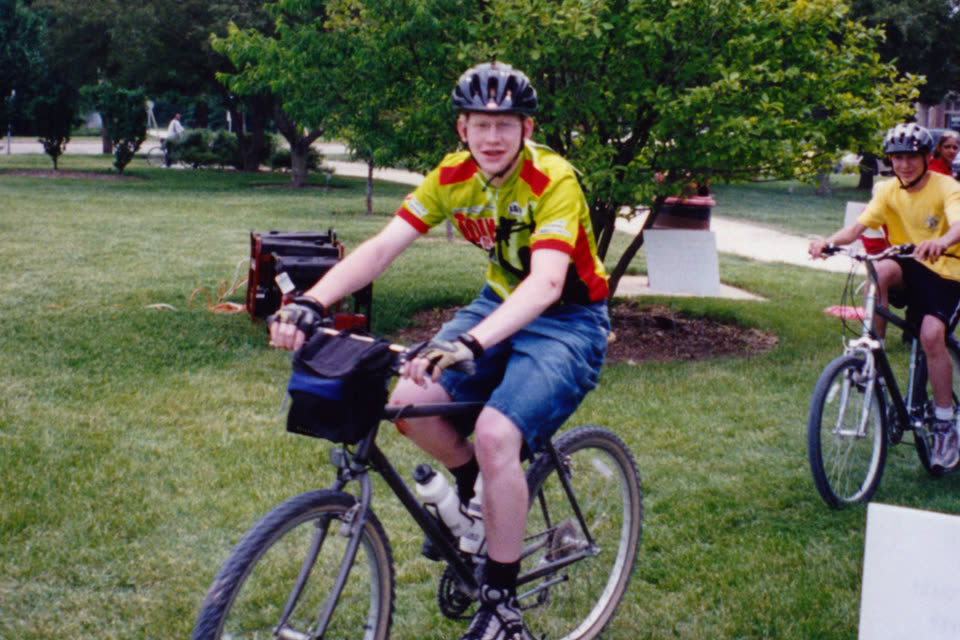
Our founder, Craig Stubing, was diagnosed at 13 and spent years learning what most people with type 1 learn: that the most useful knowledge about this disease comes from other people who have it. BCF exists to make that knowledge reachable by anyone, not only the people lucky enough to find the right community.
We’re a 501(c)(3) nonprofit, founded in California in 2019. We work with health networks, clinics, camps, and nonprofits to bring the same approach to their own diabetes education. And our programs and tools are free for people with type 1 diabetes — because education is the one part of diabetes care that costs no more to give to ten thousand people than to one.
Talk to us.
Questions about a program, an organizational partnership, press, or anything else.
Sources
- Li R, Shrestha SS, Lipman R, Burrows NR, Kolb LE, Rutledge S. Diabetes self-management education and training among privately insured persons with newly diagnosed diabetes — United States, 2011–2012. MMWR Morb Mortal Wkly Rep. 2014;63(46):1045–1049. pmc.ncbi.nlm.nih.gov
- Strawbridge LM, Lloyd JT, Meadow A, Riley GF, Howell BL. Use of Medicare’s diabetes self-management training benefit. Health Educ Behav. 2015;42(4):530–538. doi.org
- Ambrose SA, Bridges MW, DiPietro M, Lovett MC, Norman MK. How Learning Works: Seven Research-Based Principles for Smart Teaching. Jossey-Bass; 2010:60, 83, 95. search.worldcat.org
- Brown PC, Roediger HL III, McDaniel MA. Make It Stick: The Science of Successful Learning. Belknap Press of Harvard University Press; 2014:57. doi.org